
Global Easter Traditions Reflecting Resurrection Beliefs
Easter, a cornerstone of the Christian faith, commemorates the resurrection of Jesus Christ from the dead, an event central to Christian doctrine. Celebrated globally, Easter traditions vary widely, reflecting diverse cultural interpretations and historical influences.
- Global Easter Traditions Reflecting Resurrection Beliefs
Easter, a cornerstone of the Christian faith, commemorates the resurrection of Jesus Christ from the dead, an event central to Christian doctrine.
- Celebrated globally, Easter traditions vary widely, reflecting diverse cultural interpretations and historical influences.
- From solemn religious observances to joyful secular customs, these practices offer a glimpse into the ways different communities express their faith and celebrate this pivotal moment in Christian history.
- This exploration delves into the rich tapestry of Easter celebrations around the world, highlighting the unique customs and beliefs that shape this significant holiday.
- A World of Easter Celebrations
In many European countries, Easter is deeply intertwined with pre-Christian spring festivals, resulting in a blend of religious and pagan traditions.
Global Easter Traditions Reflecting Resurrection Beliefs
Easter, a cornerstone of the Christian faith, commemorates the resurrection of Jesus Christ from the dead, an event central to Christian doctrine. Celebrated globally, Easter traditions vary widely, reflecting diverse cultural interpretations and historical influences. From solemn religious observances to joyful secular customs, these practices offer a glimpse into the ways different communities express their faith and celebrate this pivotal moment in Christian history. This exploration delves into the rich tapestry of Easter celebrations around the world, highlighting the unique customs and beliefs that shape this significant holiday.
A World of Easter Celebrations
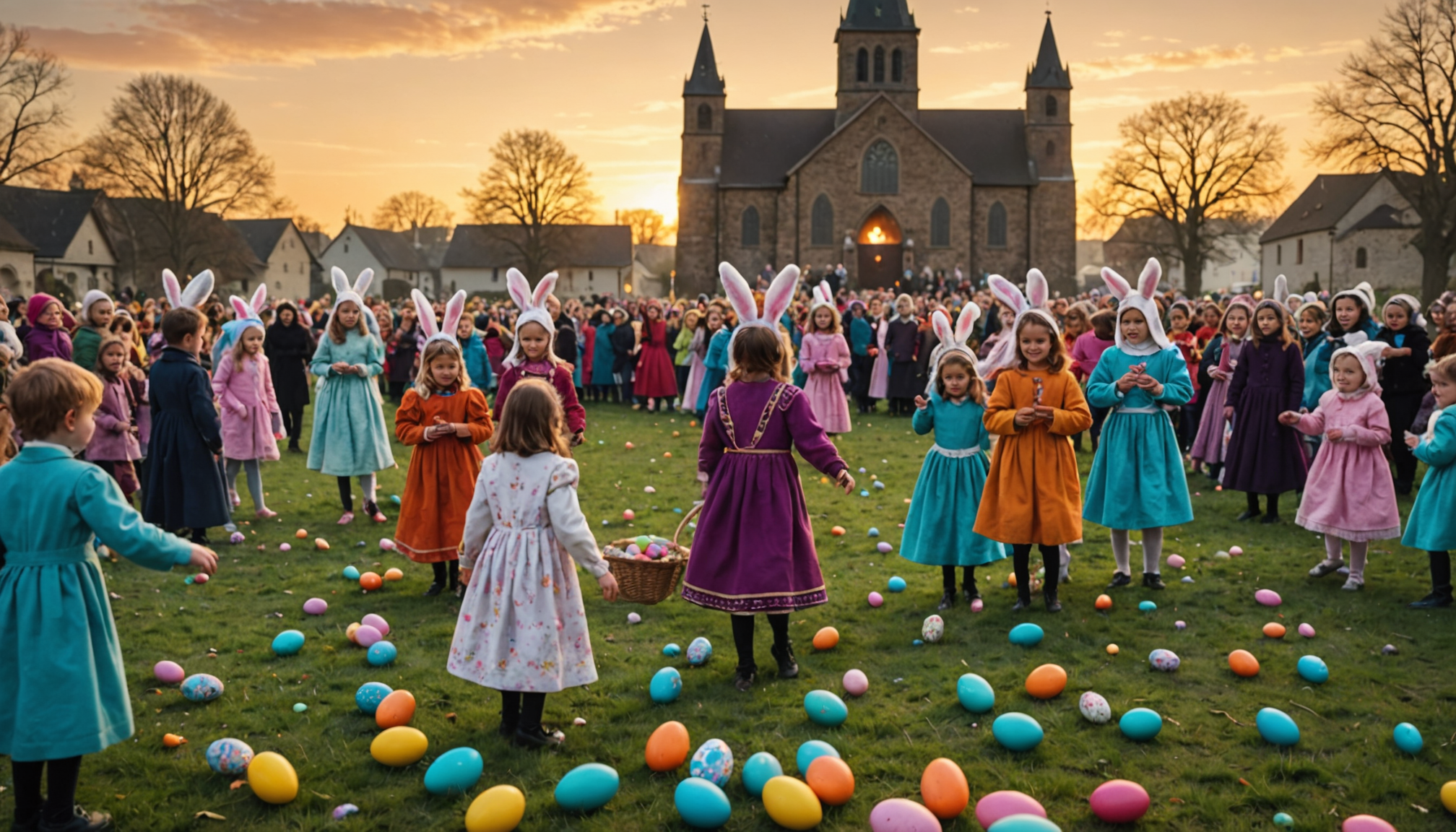
In many European countries, Easter is deeply intertwined with pre-Christian spring festivals, resulting in a blend of religious and pagan traditions. For example, in Sweden, Easter is celebrated with “Påskris,” birch branches decorated with colorful feathers, representing the arrival of spring and new life. Children dress up as witches and go door-to-door, collecting candy in exchange for Easter greetings. Similarly, in Germany, Easter bonfires, known as “Osterfeuer,” are lit to symbolize the burning away of winter and the welcoming of spring. These bonfires, often community events, bring people together in celebration and anticipation of the warmer months ahead. The act of decorating eggs, a widespread Easter custom, also has roots in ancient spring festivals, representing fertility and rebirth. The vibrant colors and intricate designs adorning these eggs reflect the joy and hope associated with the Easter season. The Easter egg hunts, popular with children, further emphasize the themes of new life and discovery.
Moving to Latin America, Easter, or “Semana Santa” (Holy Week), is observed with intense religious fervor. In countries like Mexico and Guatemala, elaborate processions and reenactments of the Passion of Christ take place, drawing large crowds of participants and spectators. These processions often feature intricate floats, depicting scenes from the Bible, and are accompanied by somber music and prayers. The atmosphere is one of deep reverence and reflection, as communities come together to commemorate the suffering and sacrifice of Jesus Christ. In Brazil, Easter is a time for family gatherings and feasting. Traditional dishes, such as “bacalhau” (salt cod) and “paçoca” (peanut candy), are enjoyed, and chocolate eggs are given as gifts. The celebration is a blend of religious observance and joyful celebration, reflecting the diverse cultural influences that have shaped Brazilian society. The focus remains on the easter resurrection and the hope it represents.
In the United States, Easter traditions vary across different regions and denominations. Many churches hold special services to commemorate the resurrection, and families often gather for Easter brunch or dinner. Easter egg hunts are a popular activity for children, and the Easter Bunny, a secular symbol of the holiday, is believed to bring gifts of candy and toys. The White House Easter Egg Roll, an annual event held on the South Lawn, is a long-standing tradition that attracts families from across the country. The event features games, activities, and entertainment, providing a festive atmosphere for celebrating Easter. Beyond these common traditions, some communities have unique customs, such as the Easter sunrise services held at various locations, symbolizing the dawn of a new day and the resurrection of Jesus Christ. These diverse traditions reflect the multicultural nature of American society and the different ways in which people celebrate this important holiday. The core message of easter resurrection remains central to the religious observances.
